

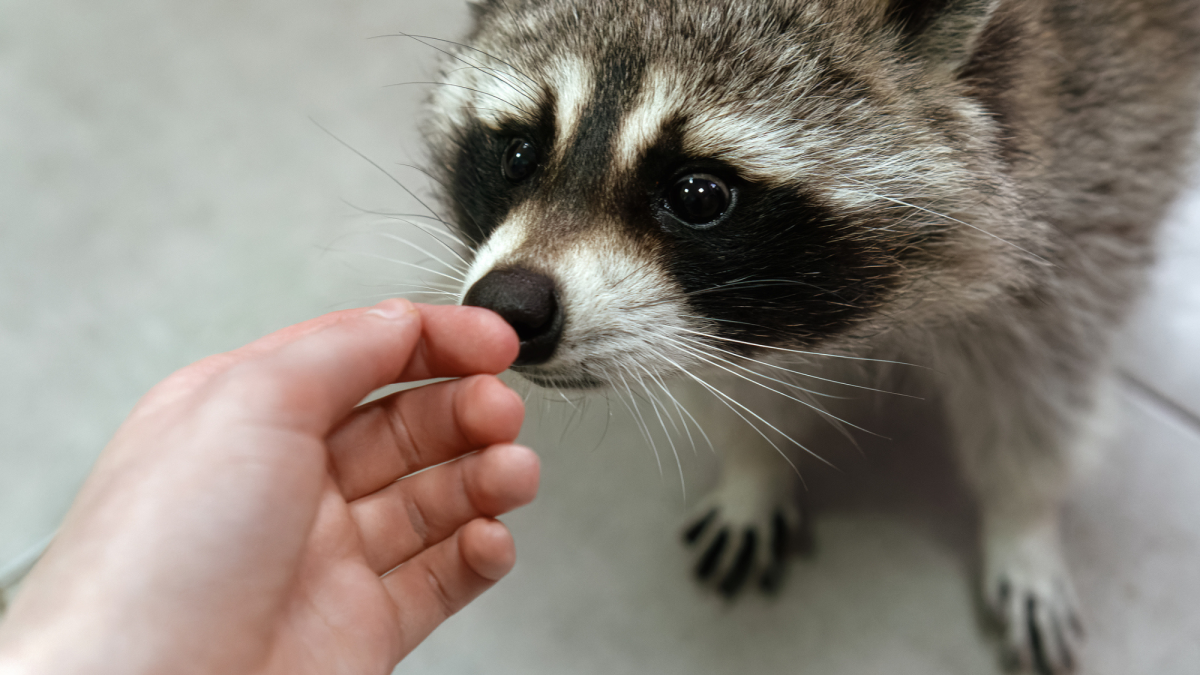
Have you ever wanted a raccoon as your very own cuddly pet? That dream may soon become a reality, as raccoons are starting to show signs of domestication.
These smart animals are self-domesticating themselves with qualities that humans find adorable. Such as shorter faces and white face patches. Biologist Raffaela Lesch took almost 20,000 raccoon photos from users on iNaturalist (a social network/science project that allows its users to log and share scientific observations). Lesch found that raccoon’s snouts are 3.5% shorter than raccoons in rural areas, shorter snouts are a high of early domestication.
“If you have an animal that lives close to humans, you have to be well-behaved enough,” said Lesch
These raccoons are smart with this however, using it as a technique of survival. If they can get into our homes as pets they are in for a life of cozy naps and full bellies for a lifetime. Early biologists have found that these changes are linked to a neural crest cell, these embryonic cells that help form everything from skulls to pigmentation to adrenaline systems. If this is slowed down you get the cuter, calmer side of these animals. Raccoons have found that if they steal our scraps without scaring us, that they can easily come back and get more. This process leads to more trust over time, hence domestication.