
Gothic poetry is a literary style that explores dark emotions, mystery, fear, and the supernatural. The genre began to develop in the late 18th century, during the Romantic period, when writers became fascinated with themes such as death, isolation, ruined landscapes, and the unknown. Gothic poetry often creates a haunting atmosphere and focuses on the emotional struggles of individuals facing powerful forces such as nature, fate, or the supernatural.
One of the earliest influences on Gothic literature was Horace Walpole, whose novel The Castle of Otranto (1764) helped inspire the Gothic movement. Soon after, poets began incorporating similar dark and mysterious themes into their writing. During the Romantic era, poets such as Samuel Taylor Coleridge and Lord Byron explored eerie settings and emotional turmoil in their works. Coleridge’s famous poem The Rime of the Ancient Mariner reflects the haunting style of Gothic poetry. In the poem, he writes
“Alone, alone, all, all alone, / Alone on a wide, wide sea!”
capturing the sense of isolation that is common in Gothic works.
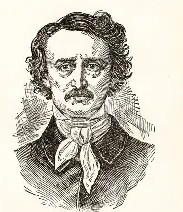
Another major figure in Gothic poetry was Edgar Allan Poe, whose work helped define the darker side of the genre in the 19th century. Poe often wrote about grief, madness, and death, creating powerful emotional imagery. In his famous poem The Raven, he writes
“Quoth the Raven ‘Nevermore.’”
This repeated line emphasizes despair and the feeling of being trapped by loss.
Other notable poets connected to Gothic themes include Mary Shelley, Percy Bysshe Shelley, and John Keats, whose poetry often explored mortality and the darker aspects of human experience. Gothic poetry continues to influence modern literature, music, and film because of its powerful emotional depth and fascination with the mysterious parts of human life.