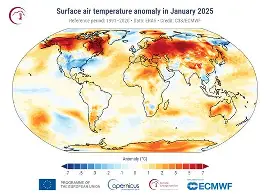

Climate change is one of the biggest challenges we, as humans, face in our world today. It refers to long-term changes in temperature and weather patterns, mainly caused by human activities such as burning fossil fuels, cutting down forests, and producing large amounts of pollution. These actions release greenhouse gases into the atmosphere: which trap heat and cause the Earth to warm.
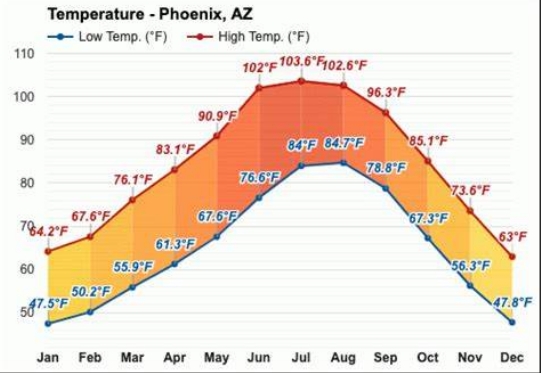
One major effect of climate change is the increase in extreme weather events. Heatwaves are becoming more frequent and intense, making it harder for people, animals, and plants to survive. At the same time, stronger storms and heavier rainfall are leading to floods that damage homes, roads, and farmland. In other areas, droughts are lasting longer, reducing access to clean water and making it difficult to grow food.
Climate change is also affecting the natural environment. Glaciers and polar ice caps are melting due to rising temperatures, which causes sea levels to rise. This threatens coastal communities and island nations with flooding and erosion. Many animals are losing their habitats as oceans warm, forests burn, or ecosystems change faster than species can adapt. As a result, some plants and animals are at risk of extinction.
Humans are feeling the effects as well. Climate change can impact health by increasing heat-related illnesses and spreading diseases. It can also harm economies, especially those that depend on farming, fishing, or tourism.
Although climate change is a serious problem, there is still hope. By using renewable energy, reducing waste, and protecting the environment, people can work together to slow climate change and protect our planet for future generations.