
Global warming has been a major concern for decades, causing growing alarm among climate scientists and environmental organizations. While some argue that rising temperatures are only part of Earth’s natural climate cycle, the rapid rate of warming over the past fifty years cannot be explained by natural factors alone. According to the Intergovernmental Panel on Climate Change (IPCC),
“Rigorous analysis of all data and lines of evidence shows that most of the observed global warming over the past 50 years cannot be explained by natural processes.”
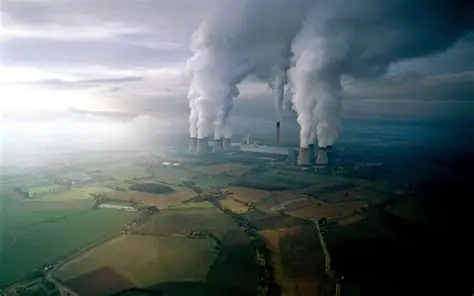
Human activities, especially the burning of fossil fuels, have increased atmospheric carbon dioxide to levels not seen for at least two million years. These gases trap heat in the atmosphere and cause the average global temperature to rise at a pace that far exceeds historical natural variability.
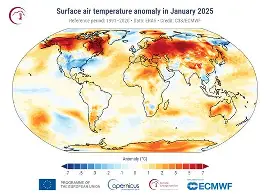
Global emissions reached a record high in 2019. Although emissions briefly decreased during the early stages of the COVID-19 pandemic, they have continued to rise according to data from the Global Carbon Project. As emissions grow, so do the consequences. The effects of global warming are already visible in many parts of the world.
NASA reports increasing sea levels, stronger and more frequent heatwaves, melting polar ice, and more intense storms. These changes are affecting ecosystems, agriculture, and human communities. If emissions continue at the current rate, NASA warns that global temperatures could rise up to four degrees Celsius by the end of the century.
This level of warming could lead to significant coastal flooding, widespread loss of biodiversity, severe weather events, and disruptions to food and water supplies. The future impacts of global warming depend heavily on the choices made today. Continued inaction will accelerate environmental and social risks, while reducing emissions could stabilize global temperatures and lessen future harm.