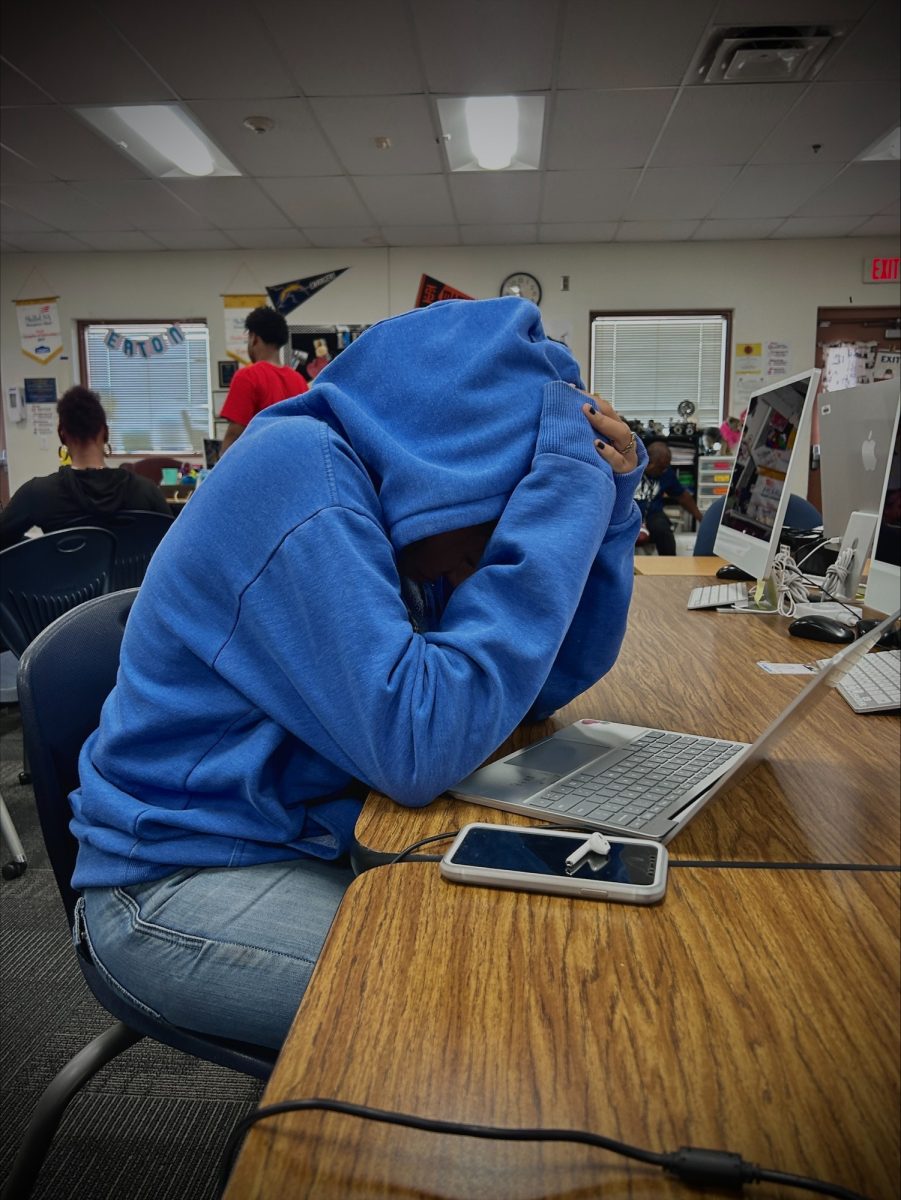

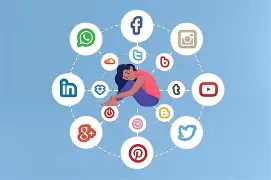
Social media is changing how millions of people view their own appearance, worth, and identity. Psychologists warn that constant exposure to edited photos, perfect angles, and carefully curated lifestyles can distort self perception and increase insecurity. The American Psychological Association reports that platforms focused on visual content are linked to higher levels of anxiety, lower self esteem, and more body image concerns, especially among teens and young adults.
Researchers at the University of Pennsylvania found that limiting social media use to thirty minutes a day reduced symptoms of depression and loneliness. Their findings suggest that the issue is not connecting with others but the nonstop comparisons users make. Dr. Jean Twenge, author of iGen, points out that
“Social media magnifies the feeling that everyone else is doing better, looking better, and living better than you.”
This feeling grows even though most people know the images they see are filtered or staged.
These pressures affect people differently. Many girls and young women report struggles with body image, while boys often feel pushed toward unrealistic expectations of success or physical strength. Influencers, popular trends, and targeted ads all shape what people believe they should look like or achieve. At the same time, social media can offer community, creative expression, and support for those who need it.
People can lessen the negative effects by unfollowing accounts that trigger comparison, watching their screen time, and filling their feeds with positive or realistic content. Taking short breaks from social media can also help people reconnect with real life.
Social media can inspire and connect, but it can also change the way we see ourselves. Understanding how these platforms influence self perception is important as we navigate a world where every scroll has an impact.