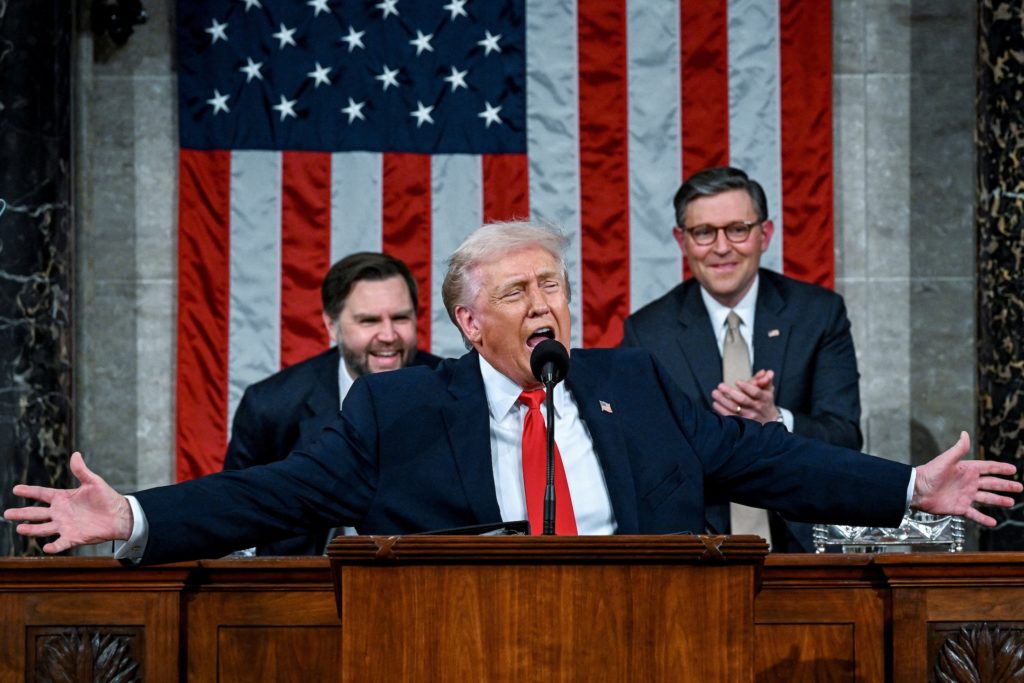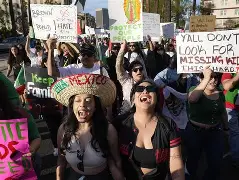


In recent years, the United States has faced four government shutdowns under former President Donald Trump’s administration with
“The longest shutdown on record started on December 22, 2018, during President Donald Trump’s first term in the White House. Democrats in Congress refused to back a spending bill that included Trump’s $5.7 billion request for fencing on the U.S.-Mexico border”
Showing deep political divisions and growing dysfunction in Congress. These shutdowns, which temporarily halted federal operations and affected hundreds of thousands of workers, were not just the result of policy disagreements but due to a trend of partisan gridlock.
A major reason behind these shutdowns was the increasing incapability of the Senate and House of Representatives to reach budget agreements. Division between Democrats and Republicans, especially overspending priorities such as border security and healthcare often led to standoffs. In several cases lawmakers used the threat of a shutdown as a bargaining tool to push their agendas. This breakdown of compromise revealed how extreme loyalty to a political party has weakened Congress’s ability to perform one of its most basic duties, funding the government.
Within the Senate, the use of the filibuster and strict party-line voting slowed progress even further. In the House pressure from hardline factions made it difficult for leadership to find middle ground. The result has been repeated delays, frustration for the public, and growing mistrust in government institutions. President Trump could be held responsible politically and historically, as his refusal to compromise particularly during the 2018-2019 record-long shutdown played a direct role in the crisis. Ultimately, both the executive branch and Congress share the blame, but voters have the power to demand better cooperation and responsibility from their elected leaders. he should be held accountable for refusing to meet with democratic law makers, saying
“I would like to meet with both of them, but I said one little caveat, I will only meet if they let the country open,”
Trump told reporters, referencing the request by U.S. Senate Minority Leader Chuck Schumer and House Minority Leader Hakeem Jeffries to meet
“anytime, anyplace.”